Protects sensitive electrical equipment from voltage spikes
Reduces risk of equipment damage and unexpected breakdowns
Improves reliability of industrial machines and systems
Reliable Isolation Transformer for Industrial Applications
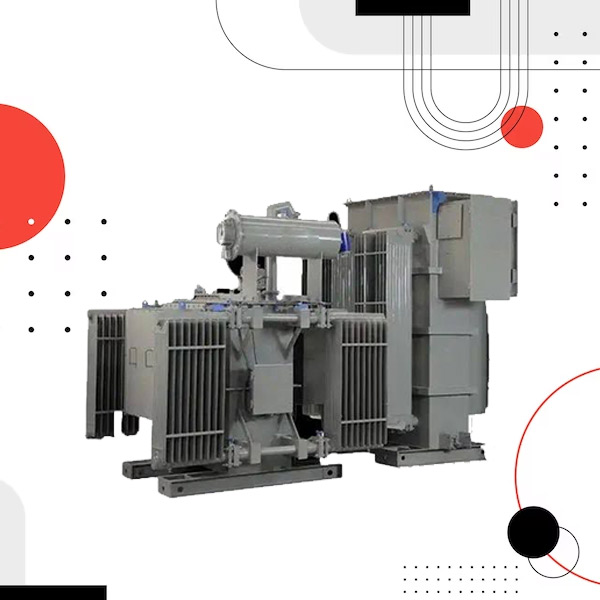
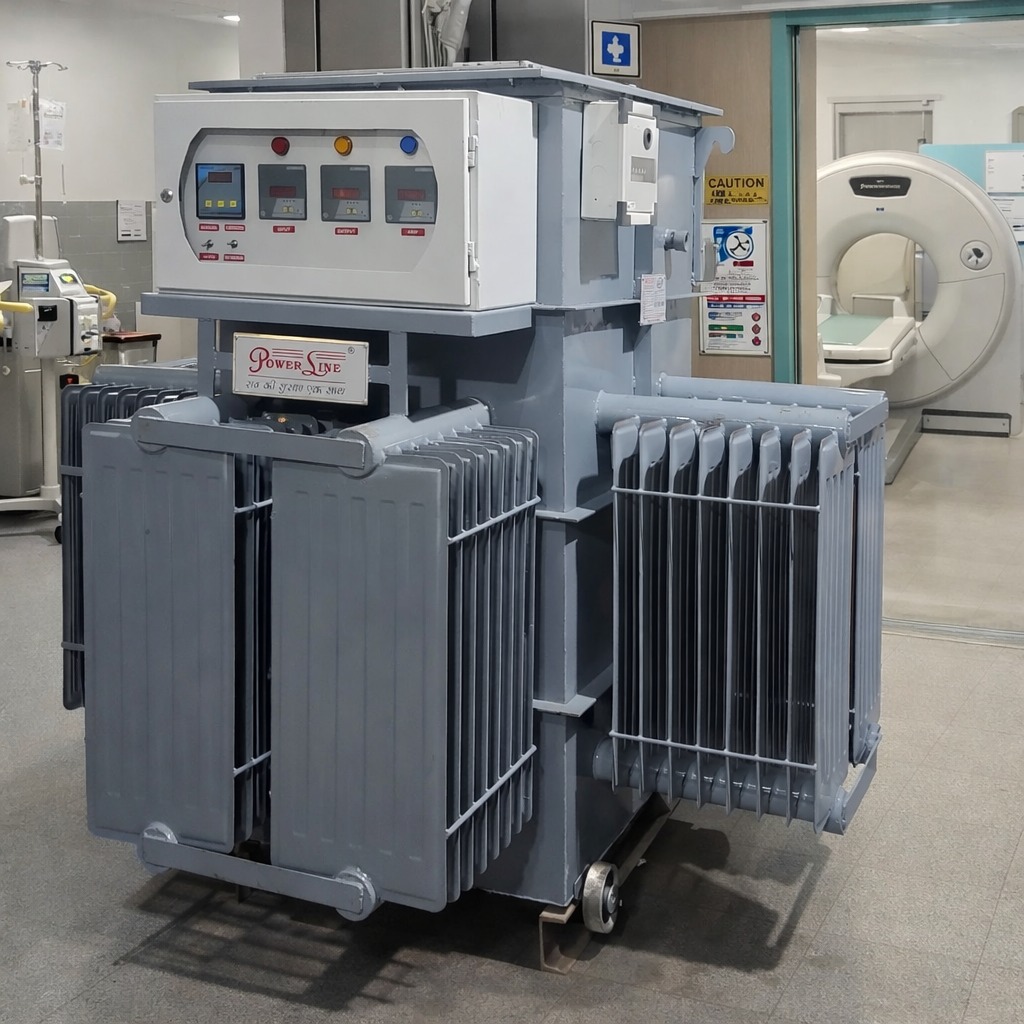
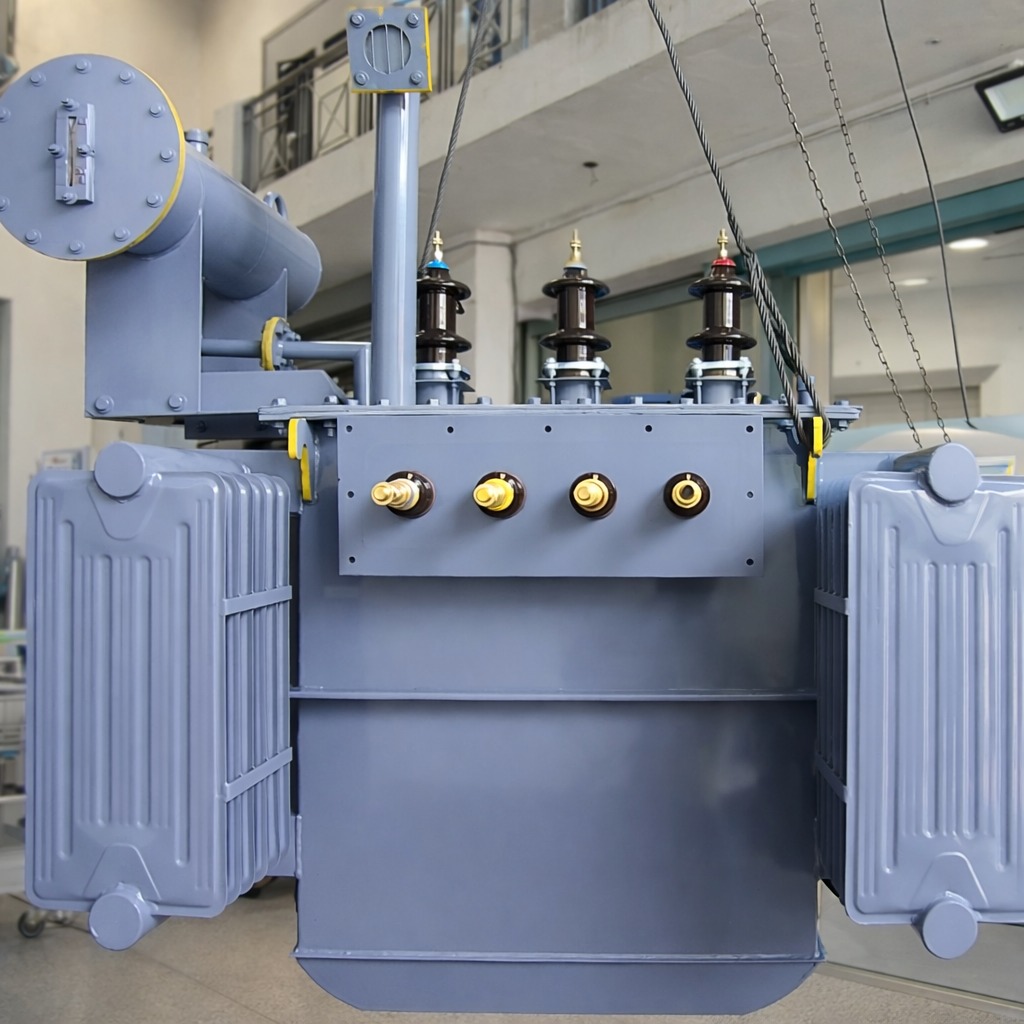
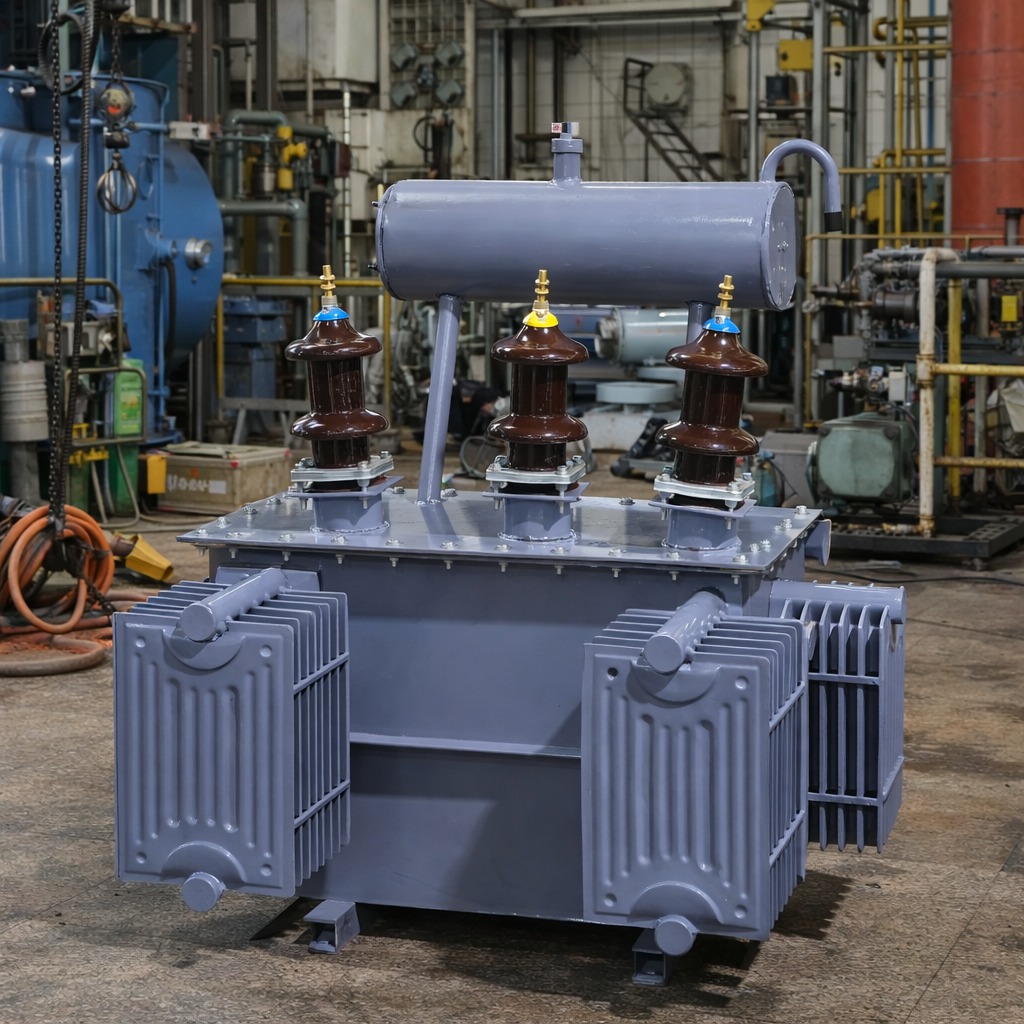
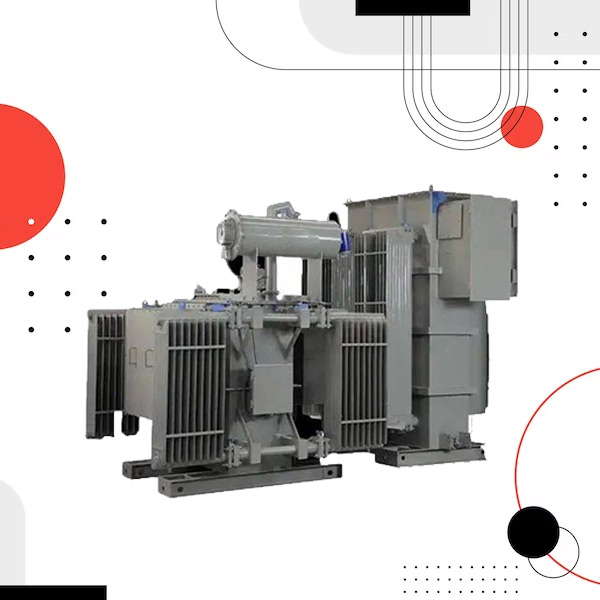
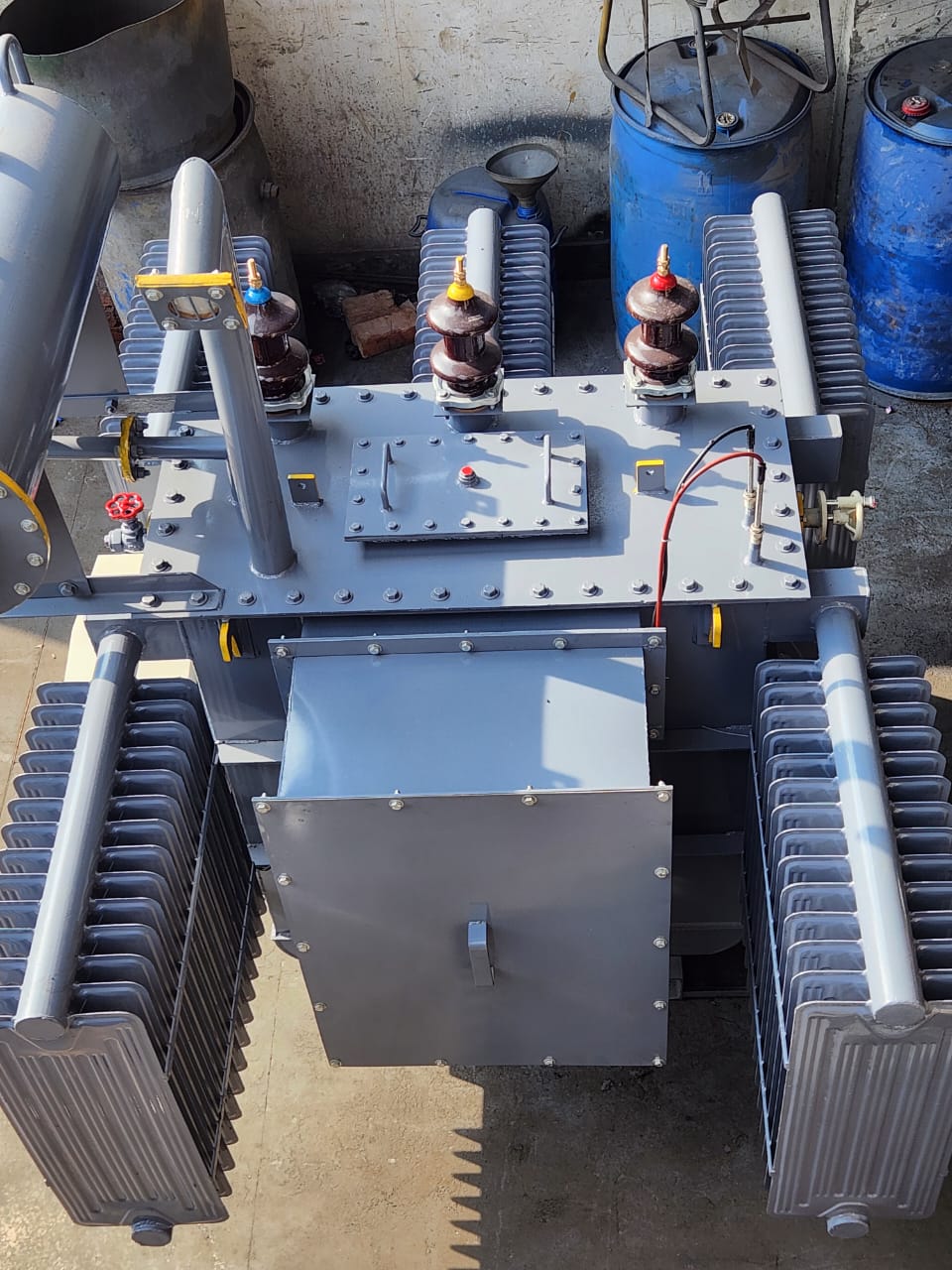
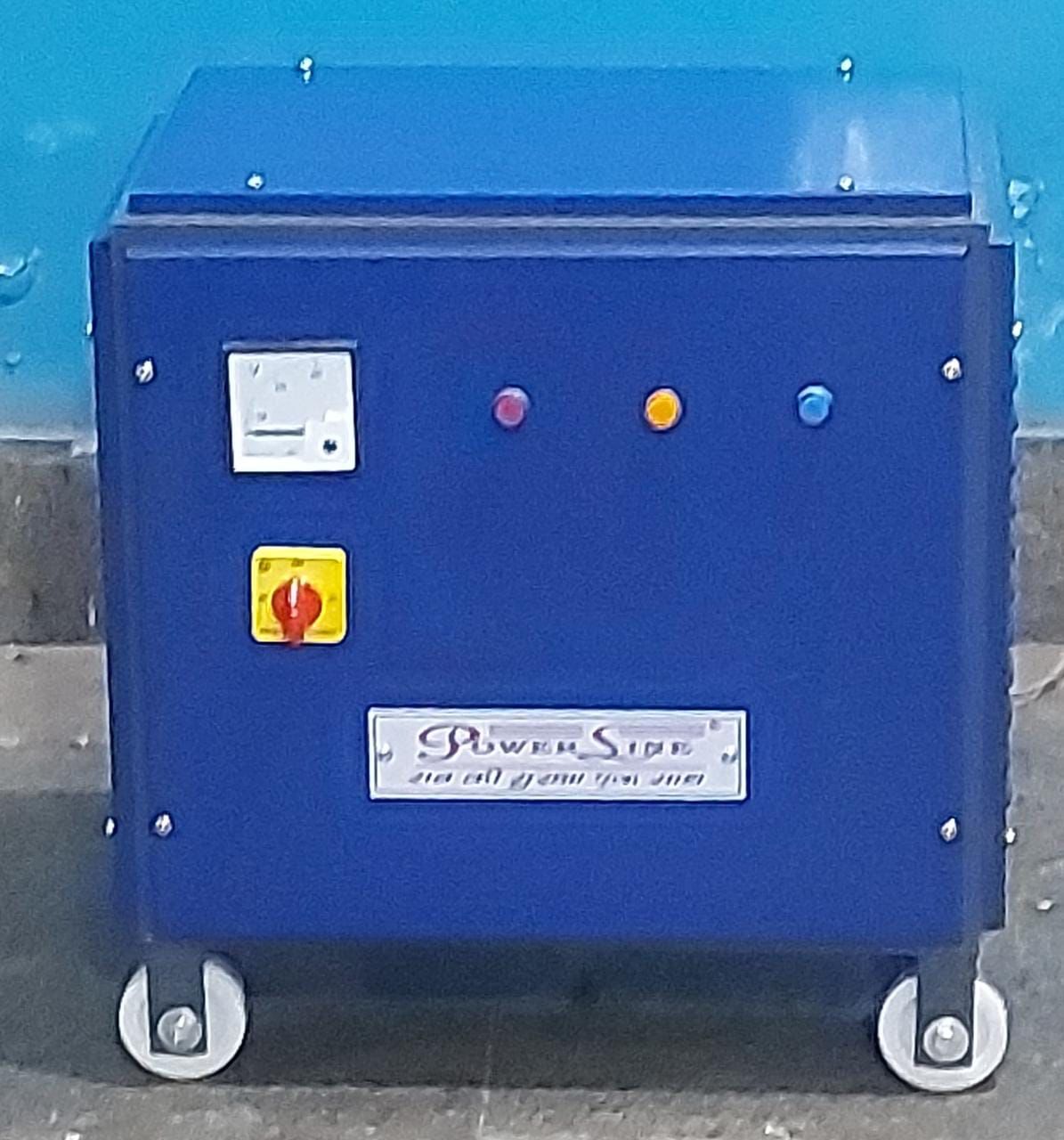
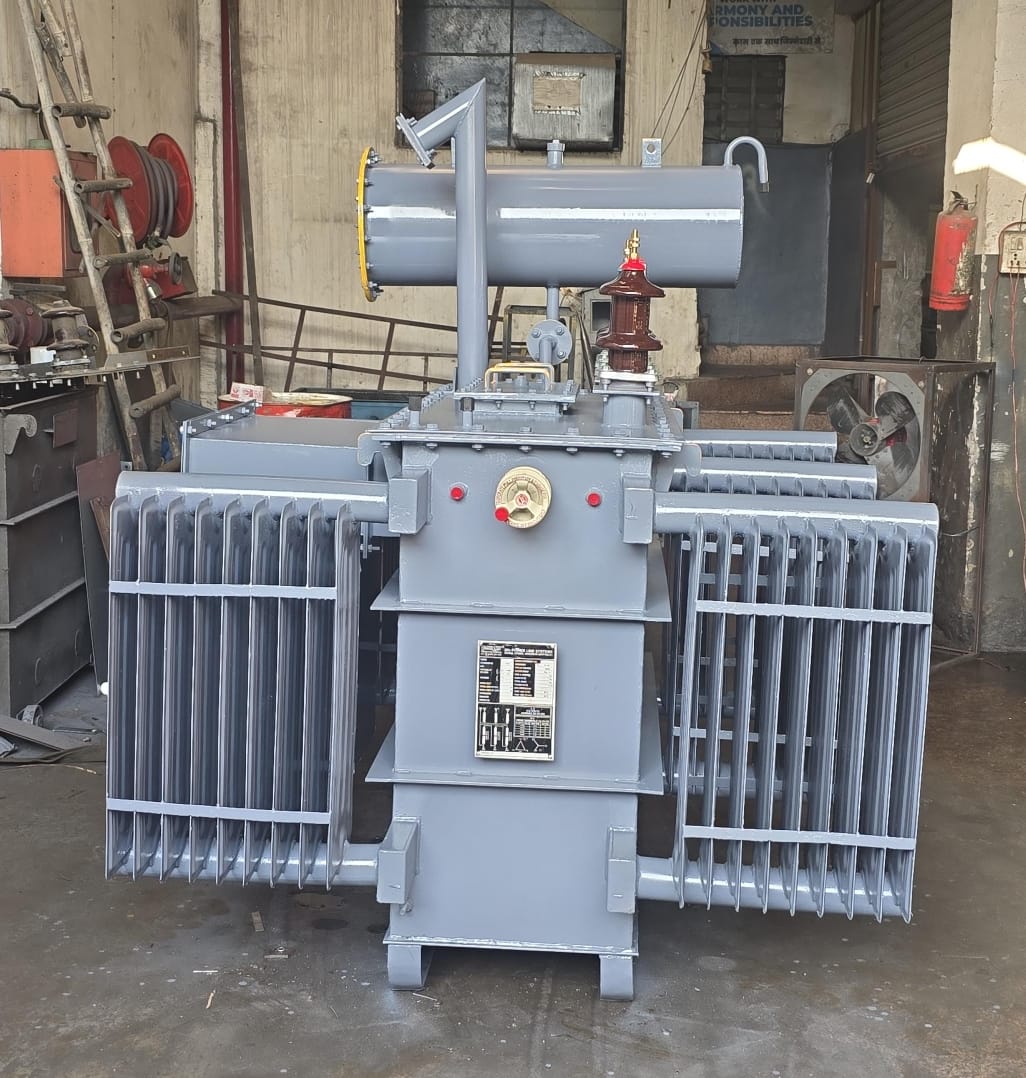
Transformers provide an extremely useful feature known as electrical isolation, which allows one electrical circuit to be connected to another without direct electrical wiring between them. In many industrial and commercial applications, electrical isolation is required between two AC circuits without changing the voltage or current levels. For such applications, Isolation Transformers with a 1:1 transformation ratio are widely used.
An isolation transformer separates the input power source from the output load through electromagnetic induction. Since there is no direct electrical path between the primary and secondary windings, the transformer provides a high level of safety and protection for sensitive equipment.
Isolation transformers are commonly used to eliminate electrical noise, reduce spikes and surges, and protect devices from harmful disturbances present in power lines. They also provide electromagnetic and electrostatic shielding, ensuring clean and stable power for connected equipment.
These transformers are widely used in industries such as medical equipment, laboratories, data centers, communication systems, and industrial automation, where reliable and noise-free power supply is essential.
Isolation transformers are designed with advanced electrical and mechanical features to ensure efficient and safe operation.
Main Features:
Complete electrical isolation between input and output circuits
1:1 voltage transformation ratio
Reduction of electrical noise and interference
Protection against spikes, surges, and transients
High insulation resistance for improved safety
Electrostatic shielding between primary and secondary windings
Continuous duty cycle for industrial applications
Reliable and long service life
These features make isolation transformers ideal for applications where equipment protection, electrical safety, and stable power quality are critical.
To be the leading innovator in transforming traditional homes into intelligent, connected, and sustainable living spaces.
Our Vision
Our vision is to empower individuals and families.
To promote sustainability and energy efficiency through the integration of eco-friendly technologies.
Our Mission
Provide cutting-edge smarthome technology and solutions
Working Principle of Isolation Transformer
Working Principle of Isolation transformers
Isolation transformers operate on the principle of electromagnetic induction. When alternating current flows through the primary winding, it creates a magnetic field in the transformer core. This magnetic field induces voltage in the secondary winding without a direct electrical connection between the two circuits.
Because of this physical separation, the transformer effectively isolates the load equipment from the main power supply. This helps prevent electrical shocks, reduce interference, and protect sensitive electronic devices from power disturbances.
Isolation transformers often include electrostatic shields and special insulation materials to enhance isolation and minimize capacitive coupling between windings.
This mechanism enables efficient transmission of electricity across large distances while minimizing energy loss.