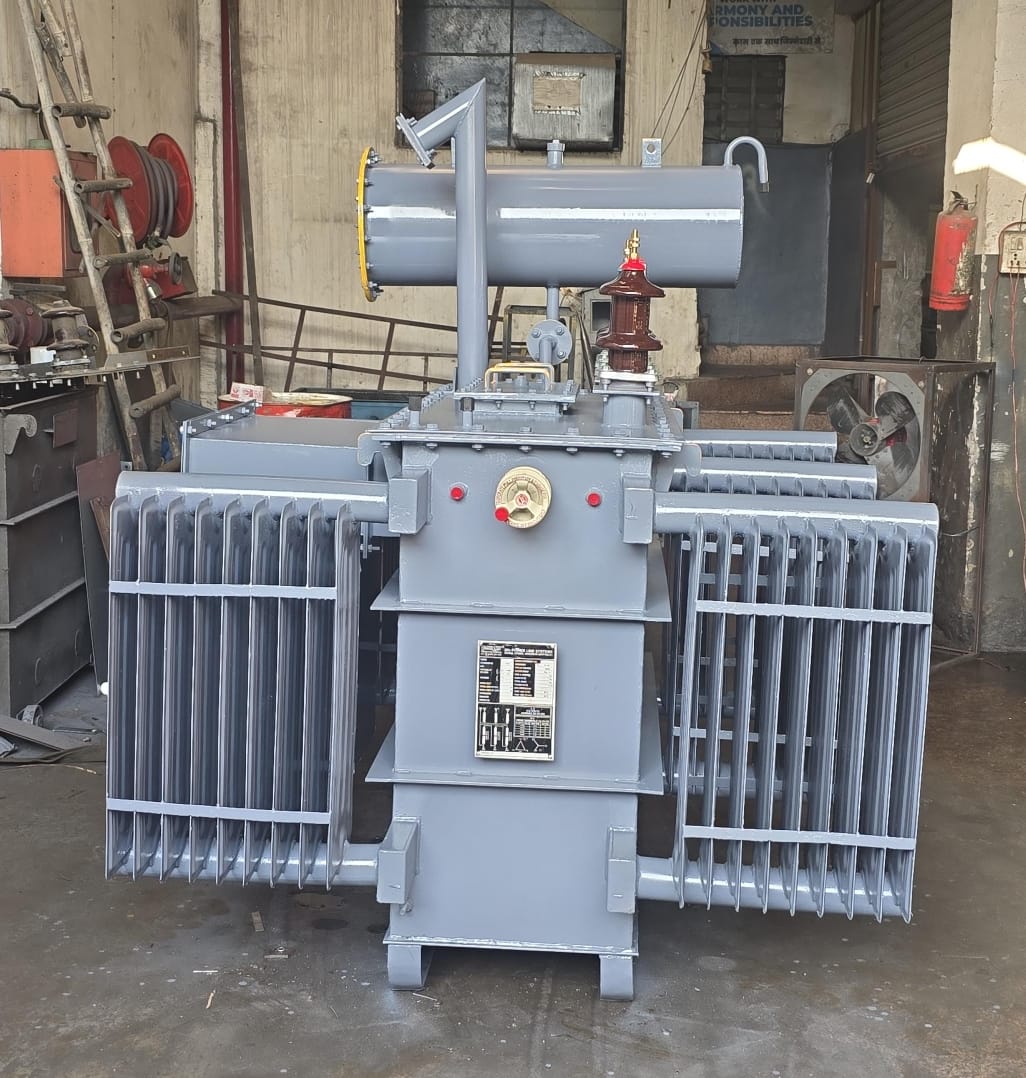
Step-Up Transformer

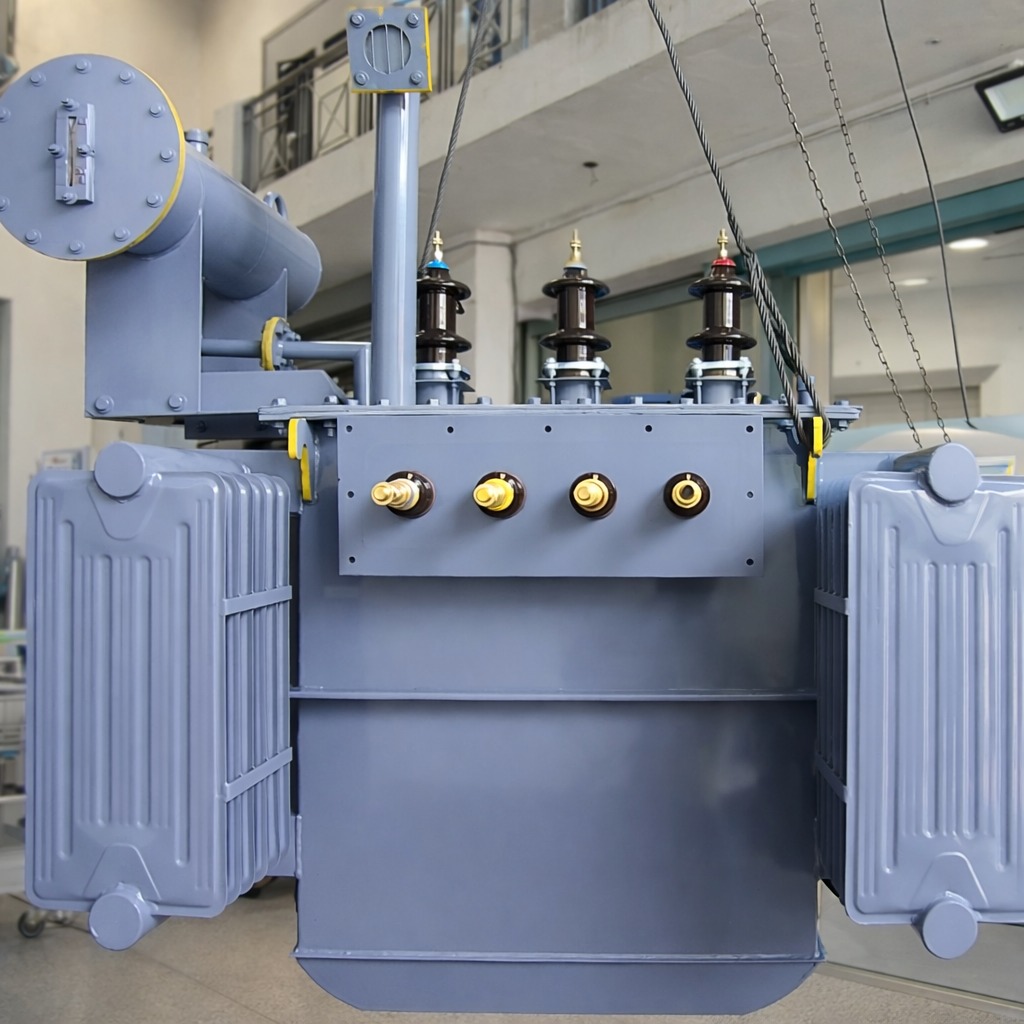
Step-up transformers increase the voltage from the primary winding to the secondary winding. They are commonly used in power generation stations to increase voltage for long-distance transmission.

Step-Down Transformer

Step-down transformers reduce high transmission voltage to lower voltage levels suitable for industrial or distribution systems.

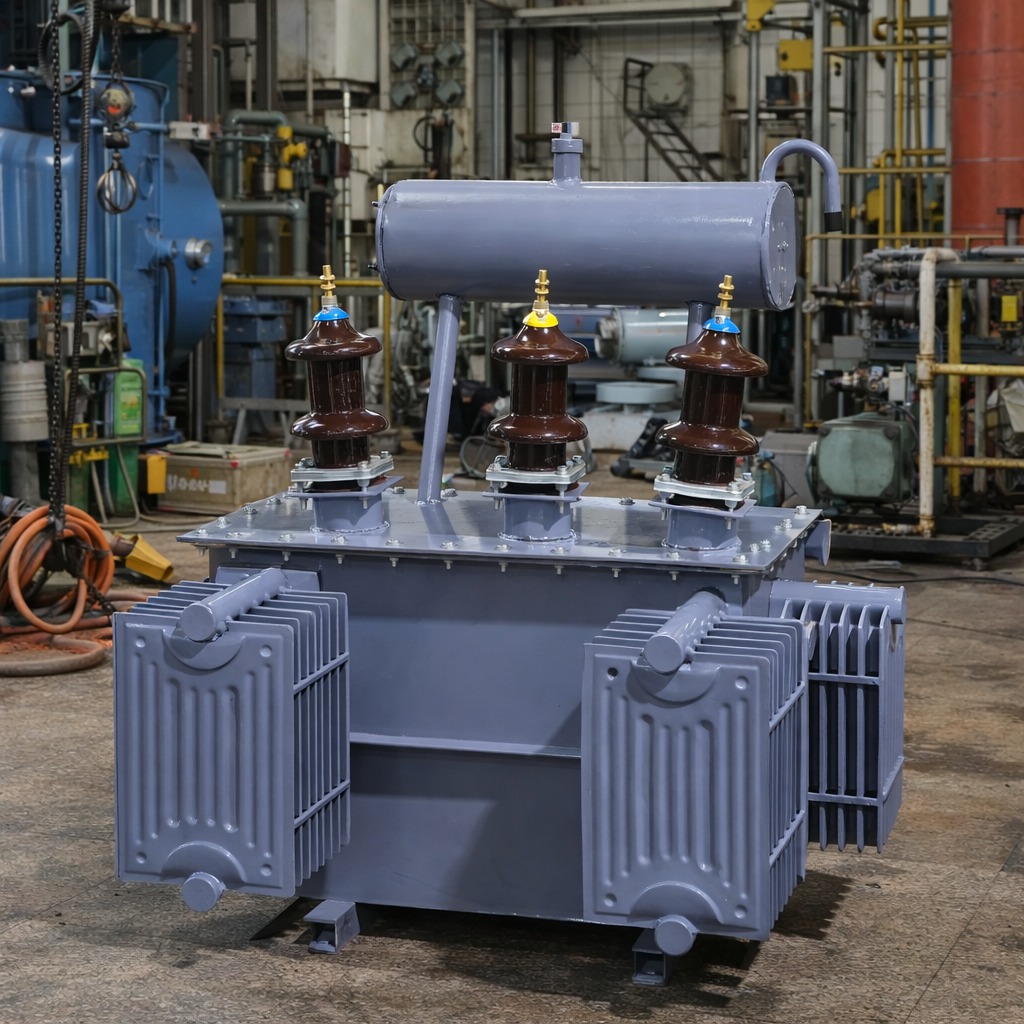
Oil-Filled Power Transformer

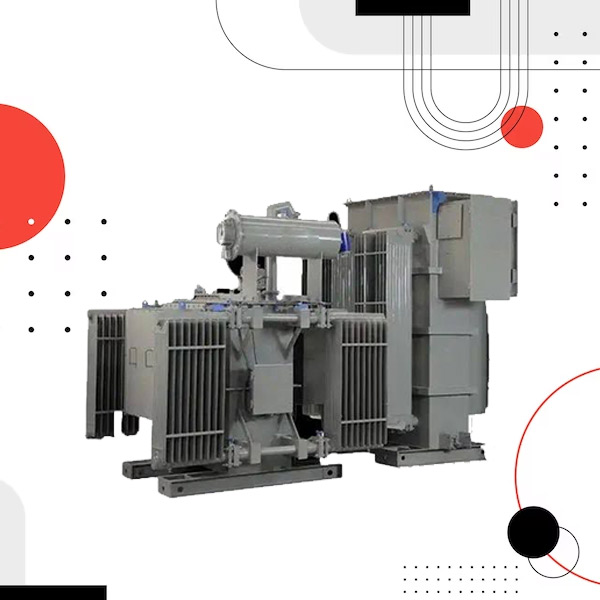
These transformers use insulating oil for cooling and insulation. They are widely used in high-voltage power systems because of their efficiency and durability.

About Power Transformers

Reliable Power Transformation for Industrial Applications

Power transformers are essential electrical devices used to transfer electrical energy between circuits while changing voltage levels. They play a crucial role in modern power systems, enabling efficient electricity transmission from power plants to substations and distribution networks.

These transformers work on the principle of electromagnetic induction, where electrical energy is transferred through a magnetic field created between two windings. Power transformers are typically used in transmission networks to step up or step down voltage levels without changing the frequency of the electrical supply.

Due to their ability to handle large power capacities and high voltages, power transformers are widely used in power generation stations, substations, and large industrial facilities.

Industries We Serve

Delivering reliable power solutions across multiple industries

Airports

Hospitals

Shopping Malls

High Rise Residential

Hotels

Communities

Schools

Mixed-use


Contact us today to learn more about our transformer solutions.
Benefits Section

How Power Transformers Work

Power transformers operate using Faraday’s Law of Electromagnetic Induction. When alternating current (AC) flows through the primary winding, it creates a changing magnetic field in the transformer core. This magnetic field induces voltage in the secondary winding, transferring electrical energy from one circuit to another.

The voltage transformation depends on the turns ratio between the primary and secondary windings. If the secondary winding has more turns than the primary winding, the transformer increases the voltage (step-up transformer). If it has fewer turns, it reduces the voltage (step-down transformer).

This process allows electricity to be transmitted over long distances efficiently while minimizing energy losses.

Key Features Section

Key Components of a Power Transformer

Bushings and Tap Changers

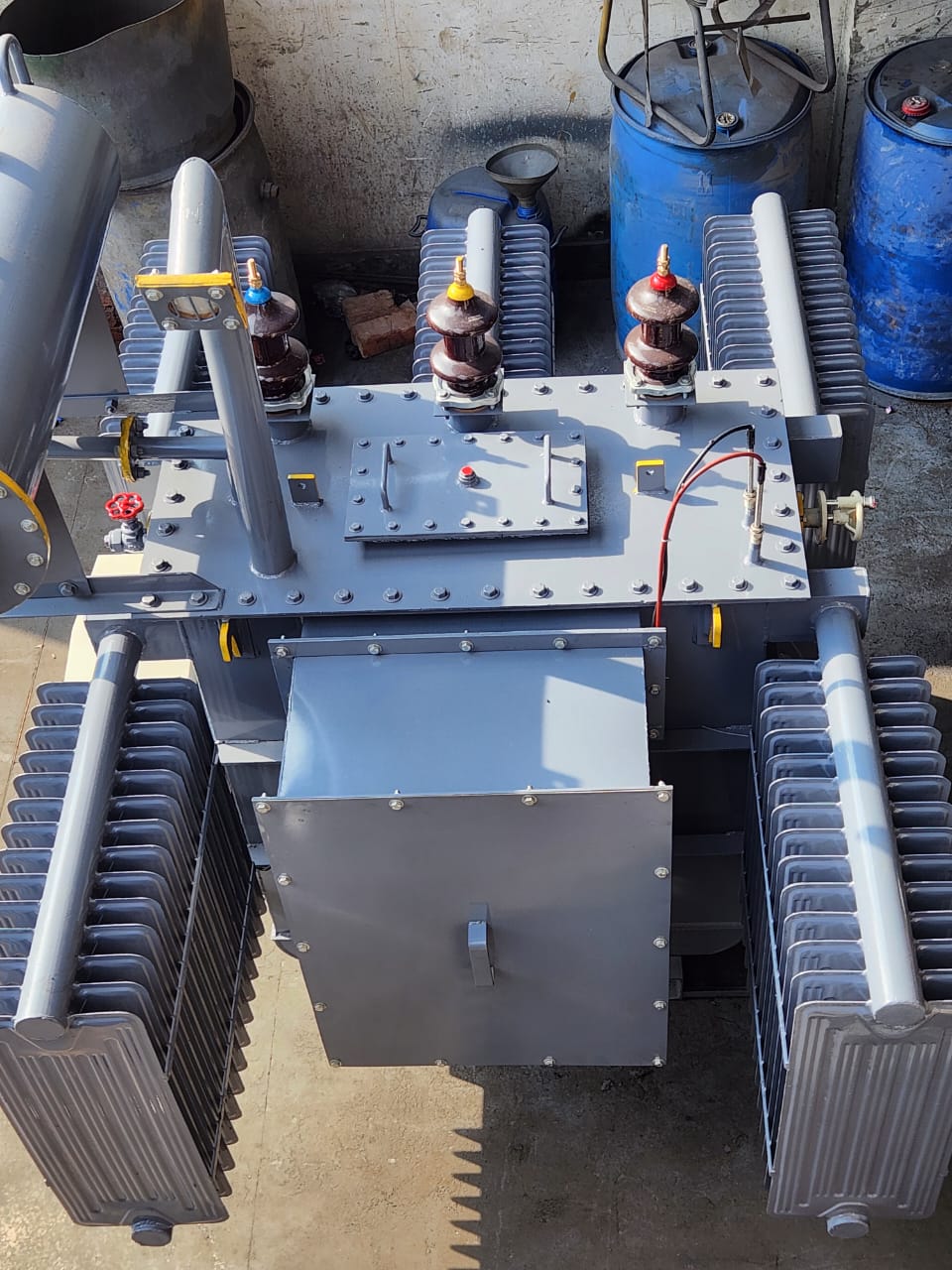
Bushings provide insulated paths for electrical connections, while tap changers adjust the voltage output by changing the winding turns ratio.

Cooling System

Large power transformers generate heat during operation. Cooling systems such as radiators, fans, and oil circulation maintain the operating temperature within safe limits.

Transformer Tank

The tank encloses the core and windings and protects them from environmental conditions. It is usually filled with insulating oil that helps in cooling and insulation.

Our value

Living Green with Energy-Efficient Smart Homes.

Lorem ipsum dolor sit amet, consectetur adipiscing elit. Ut elit tellus, luctus nec ullamcorper mattis, pulvinar dapibus leo.

To be the leading innovator in transforming traditional homes into intelligent, connected, and sustainable living spaces.

Our Vision

Our vision is to empower individuals and families.

To promote sustainability and energy efficiency through the integration of eco-friendly technologies.

Our Mission

Provide cutting-edge smarthome technology and solutions

About Us

Applications of Power Transformers

Power transformers are widely used in various sectors, including:

Power generation plants

Step up voltage for efficient transmission

Transmission substations

Manage high-voltage power flow

Transmission substations

Manage high-voltage power flow

Industrial facilities

Supply stable power for heavy machinery

Working Principal Section

Advantages of Power Transformers

  • Efficient transmission of electrical energy over long distances

  • Ability to handle very high voltage and power levels

  • Improved power system stability and reliability

  • Reduced transmission losses

  • Long operational lifespan with minimal maintenance

Power Transformer
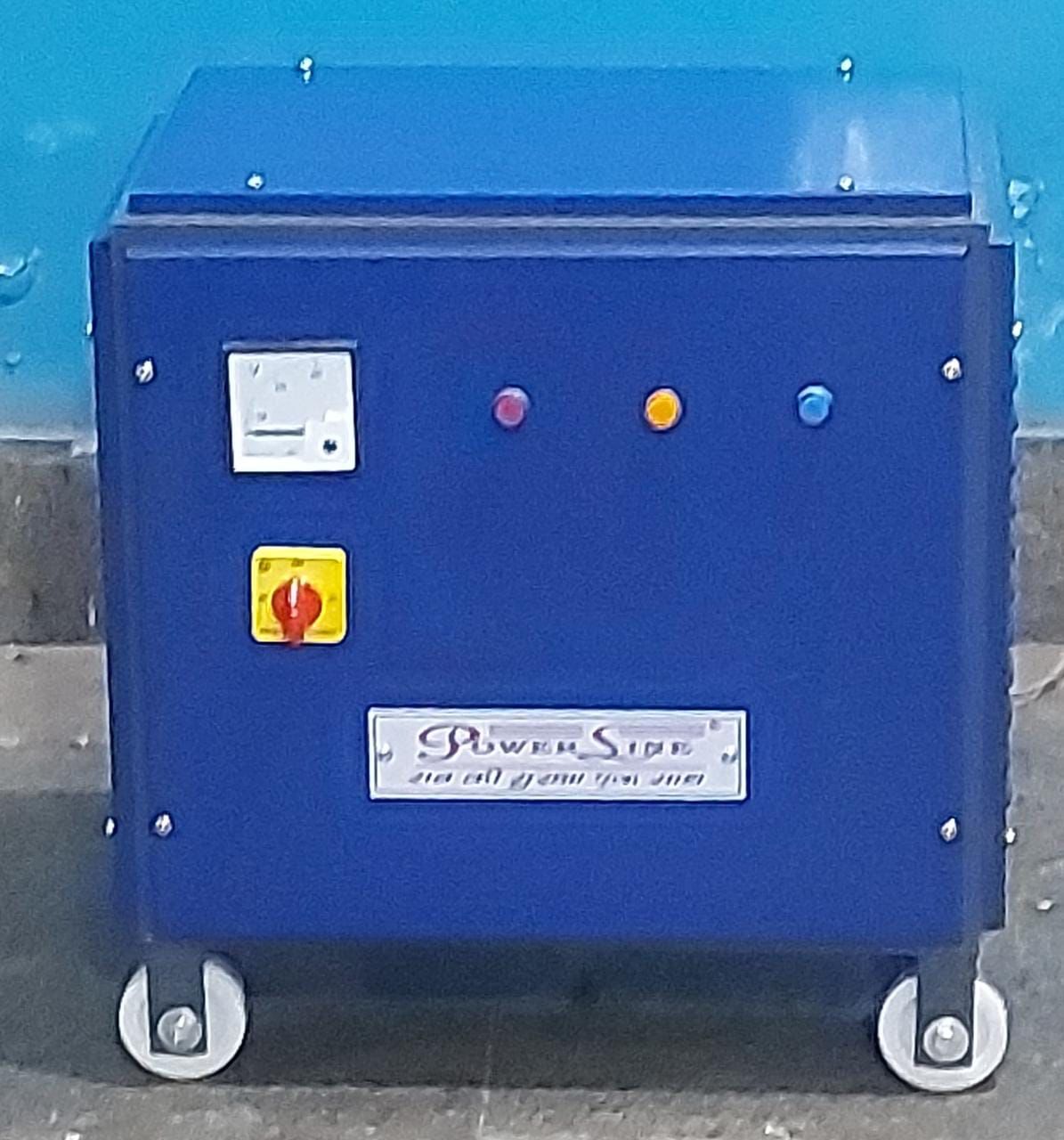
Isolation Transformer
Distribution Transformer

Enquire Now

Select Product*
Thank you! Your enquiry has been submitted.

Our Esteemed Clientee

Trusted by leading companies across multiple industries

Client Logo
Client Logo
Client Logo
Client Logo
Client Logo
Client Logo
Client Logo
Client Logo
Client Logo


Request a Quote

Enquire Now

Select Product*
Thank you! Your enquiry has been submitted.